Electric bikes, or eBikes, are everywhere these days. You see them on city streets, mountain trails, and even grocery store parking lots. And honestly, it makes sense. They’re fun, eco-friendly, and make riding easier for almost everyone.
But here’s the big question most beginners ask: how to choose ebike that actually fits your needs?
If you’ve ever felt confused by motor watts, battery ranges, or different eBike styles, don’t worry—you’re not alone. Choosing an eBike can feel like picking a phone with too many specs. This guide will walk you through everything step by step, using simple language, real-life examples, and clear advice. Think of it as a friendly chat, not a sales pitch.
Table of Contents
1. What Is an eBike and How Does It Work?
An eBike is a bicycle with an electric motor that helps you pedal. You still ride it like a normal bike, but the motor gives you a boost—especially helpful on hills or long rides.
Think of it like riding with a constant tailwind. You’re still pedaling, but it feels easier and smoother.
Most eBikes have:
- A motor (to assist pedaling)
- A battery (to power the motor)
- A controller (the brain of the system)
Some also have a throttle, letting you move without pedaling, depending on local laws.
2. Why Choosing the Right eBike Matters
Choosing the wrong eBike is like buying hiking boots for a wedding—technically shoes, but totally wrong for the occasion.
The right eBike:
- Matches your lifestyle
- Feels comfortable and safe
- Saves money in the long run
- Keeps you riding, not regretting
That’s why learning how to choose ebike properly is so important, especially for beginners.
3. Define Your Riding Purpose First
Before looking at brands or prices, ask yourself one simple question:
Why do I want an eBike?
Common reasons include:
- Daily commuting
- Exercise and fitness
- Weekend leisure rides
- Off-road or trail riding
- Car replacement for errands
Your answer will guide every other decision. A commuter eBike is very different from a mountain eBike.
4. Understanding Different Types of eBikes
Let’s break down the main eBike types in plain English.
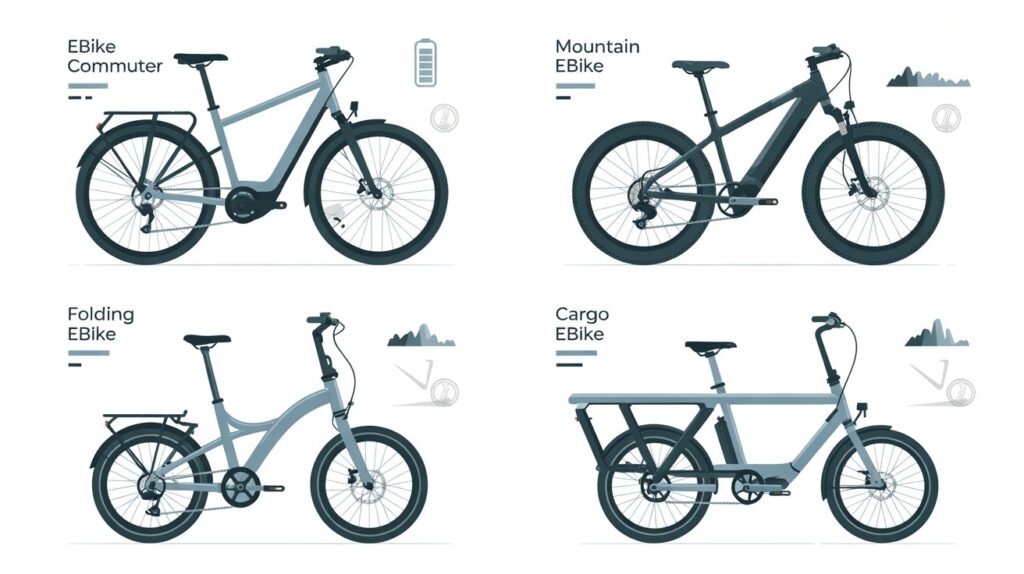
City / Commuter eBikes
Perfect for daily rides, work commutes, and errands.
Best for: Flat roads, comfort, reliability.
Mountain eBikes (eMTB)
Built for trails, dirt, and rough terrain.
Best for: Adventure lovers and off-road riders.
Hybrid eBikes
A mix of city and mountain features.
Best for: Riders who want versatility.
Folding eBikes
Compact and easy to store.
Best for: Small apartments, buses, or trains.
Cargo eBikes
Designed to carry heavy loads or kids.
Best for: Families and delivery use.
5. Motor Types Explained Simply
Motors sound technical, but they’re easy to understand.
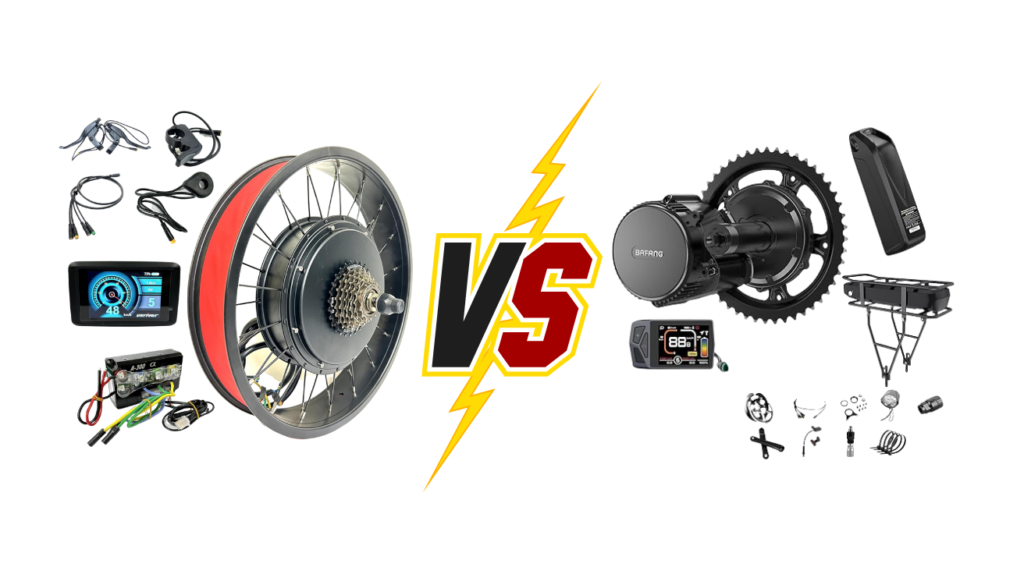
Hub Motor
Located in the front or rear wheel.
- Affordable
- Low maintenance
- Great for beginners
Mid-Drive Motor
Placed near the pedals.
- Better balance
- Stronger hill climbing
- More natural ride feel
If you’re just starting out, hub motors are usually enough.
6. How Much Power Do You Really Need?
Motor power is measured in watts (W).
- 250W – Light assistance, city riding
- 500W – Hills and moderate loads
- 750W+ – Heavy riders, cargo, steep terrain
More power isn’t always better. Choose what matches your riding style and local regulations.
7. eBike Battery Basics: Range, Size, and Charging
The battery is the heart of your eBike.
Key things to know:
- Range: How far you can ride on one charge
- Capacity (Wh): Bigger number = longer range
- Charging time: Usually 4–6 hours
If you commute daily, look for 40–80 km (25–50 miles) of real-world range.
8. Frame Size and Comfort: Don’t Ignore This
A powerful eBike means nothing if it’s uncomfortable.
Check these points:
- Correct frame size for your height
- Step-through or step-over design
- Adjustable seat and handlebars
Comfort is what keeps you riding week after week.
9. eBike Suspension, Tires, and Ride Feel
Suspension
- No suspension: Smooth roads
- Front suspension: City bumps
- Full suspension: Trails and off-road
Tires
- Thin tires = speed
- Wide tires = comfort and stability
Choose based on where you’ll ride most.
10. Brakes and Safety Features
Safety should never be optional.
Brake types:
- Mechanical disc brakes: Affordable and reliable
- Hydraulic disc brakes: Stronger and smoother
Also look for:
- Integrated lights
- Reflectors
- Bell or horn
11. Weight and Portability Considerations
eBikes are heavier than normal bikes.
If you live in an apartment or need to carry it upstairs, weight matters. Folding eBikes or lighter frames may be better.
12. Budget: How Much Should You Spend?
General price ranges:
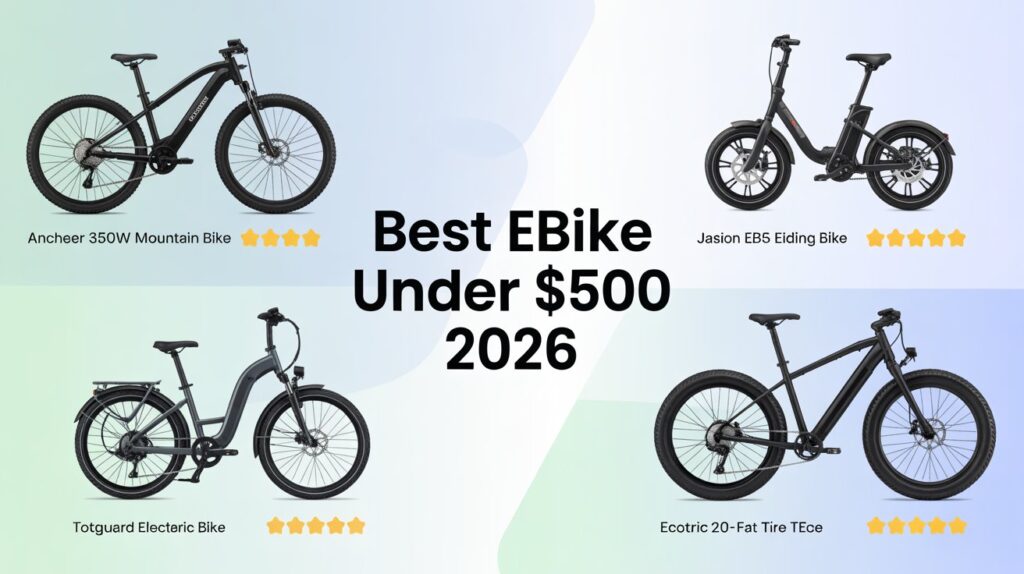
- Budget: $600–$1,000
- Mid-range: $1,200–$2,000
- Premium: $2,500+
Set a realistic budget and stick to it. Spending a bit more often means better battery and reliability.
13. Maintenance and After-Sales Support
Ask yourself:
- Is there local service support?
- Are spare parts easy to find?
- Does it come with a warranty?
A good warranty shows brand confidence.
14. Test Riding and Final Checks
If possible, test ride before buying.
Pay attention to:
- Comfort
- Handling
- Noise
- Display readability
A short ride can save months of regret.
15. Common Beginner Mistakes to Avoid
- Buying too powerful motor unnecessarily
- Ignoring frame size
- Overlooking local eBike laws
- Choosing price over comfort
Avoid these, and you’re already ahead of most beginners.
Conclusion
Learning how to choose ebike doesn’t have to be stressful. Start with your purpose, understand the basics, and focus on comfort and reliability. The perfect eBike isn’t the most expensive one—it’s the one that fits your life.
An eBike should feel like freedom on two wheels, not a complicated gadget. Choose wisely, and you’ll wonder why you didn’t buy one sooner.
How do I know which eBike is right for me?
Start by identifying your main riding purpose, budget, and comfort needs, then match them with the right eBike type.
How long does an eBike battery last?
Most eBike batteries last 3–5 years or 500–1,000 charge cycles with proper care.
Is it hard to ride an eBike for beginners?
Not at all. eBikes are beginner-friendly and often easier than regular bicycles.
How fast can an eBike go?
Most eBikes assist up to 25–28 km/h (15–20 mph), depending on local laws.
Are eBikes worth the money?
Yes, especially if you commute, want fitness support, or plan to replace short car trips.