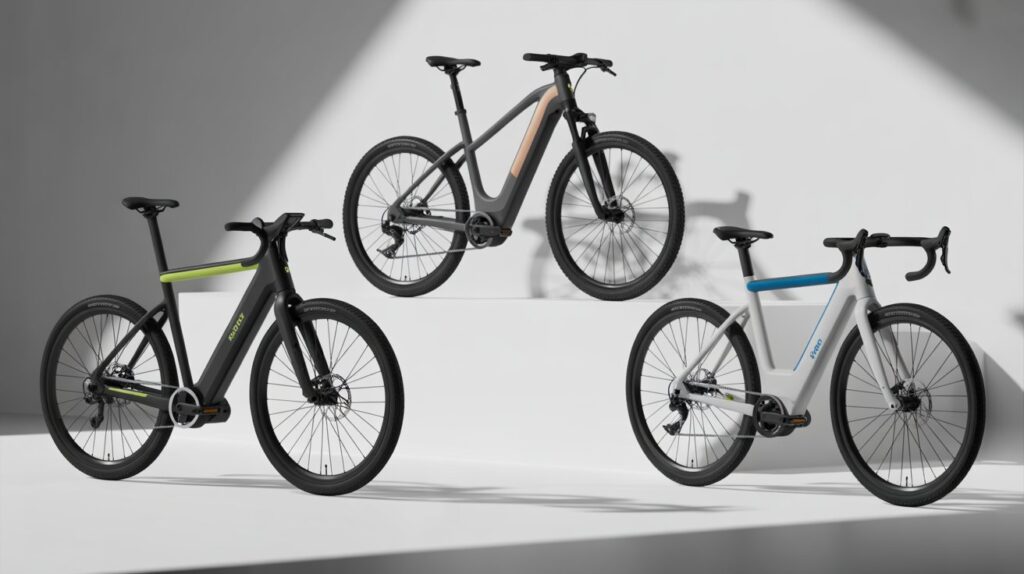
Electric bikes are everywhere these days. You see them zipping past traffic jams, cruising quietly through neighborhoods, and even replacing cars for daily commutes. But a big question keeps popping up in many minds: Are e Bikes Eco Friendly?
At first glance, the answer feels obvious. They don’t burn gasoline, they’re quiet, and they look clean. But is that the full story? Or is there more happening behind the scenes—like battery production, electricity use, and manufacturing emissions?
Think of e-bikes like reusable water bottles. They’re clearly better than single-use plastic bottles, but they still take energy and resources to make. The real magic is in how often and how well they replace less eco-friendly options. Let’s break it all down in simple terms and uncover whether e-bikes truly earn their green reputation.
Table of Contents
1. What Does Eco Friendly Really Mean?
Eco friendly doesn’t mean zero impact. Nothing we use is completely harmless to the planet. Instead, it means causing less damage compared to alternatives.
When asking Are e Bikes Eco Friendly, we’re really asking:
- Do they reduce pollution?
- Do they use less energy?
- Do they help replace cars and motorbikes?
If the answer to most of these is “yes,” then e-bikes are doing something right.
If you’re looking for an eco-friendly electric bike, you can check out the top-rated models on Amazon here.
2. How Do e Bikes Work?
An electric bike combines human power with a small electric motor. You still pedal, but the motor gives you a boost. This means:
- Less effort on hills
- Longer rides without exhaustion
- Faster commutes with less sweat
Because they use electricity instead of fuel, e-bikes don’t produce exhaust fumes. That alone gives them a strong eco advantage.
3. e Bikes vs Cars: A Carbon Footprint Comparison
Let’s keep this simple.
A typical car:
- Burns fossil fuels
- Emits carbon dioxide every time it moves
- Requires tons of steel, plastic, and energy to produce
An e-bike:
- Uses a small battery
- Consumes very little electricity
- Produces up to 90% less CO₂ per mile than a car
Replacing even a few car trips per week with an e-bike can significantly cut your personal carbon footprint. It’s like switching off a noisy, smoke-belching generator and using a small, quiet fan instead.
4. e Bikes vs Public Transport
Public transport is already eco friendly, right? Mostly—yes. But e-bikes still have advantages.
Compared to buses and trains:
- e-bikes use far less energy per person
- no waiting, no detours
- ideal for short to medium distances
In crowded cities, e-bikes help reduce pressure on public systems while staying green.
5. Electricity Use: Clean or Dirty Energy?
Here’s a common concern: “But e-bikes use electricity. Isn’t that still polluting?”
Good question.
The answer depends on where your electricity comes from. Even when powered by fossil fuels, e-bikes:
- use very small amounts of energy
- are still cleaner than gas-powered vehicles
If charged using solar or renewable energy, e-bikes become incredibly eco friendly. Charging an e-bike battery often costs less energy than running a refrigerator for a day.
If you’re looking for ebike cleaning kit, you can check top-rated models on Amazon here.
6. Battery Production and Environmental Impact
This is the biggest criticism of e-bikes.
Lithium-ion batteries require mining and processing, which can harm the environment. However:
- e-bike batteries are much smaller than electric car batteries
- technology is improving rapidly
- recycling programs are expanding worldwide
So yes, batteries have an impact—but it’s far lower than cars or motorbikes.
7. How Long Do e Bike Batteries Last?
A typical e-bike battery lasts:
- 3 to 5 years
- 500–1,000 charging cycles
When used responsibly, one battery can replace thousands of car trips. That’s a powerful trade-off.
Proper recycling at the end of its life further reduces environmental harm.
If you’re looking for an energy-efficient e-bike with a long-lasting battery, you can check top-rated models on Amazon here.
8. Manufacturing Emissions of e Bikes
Producing any vehicle creates emissions. But e-bikes:
- require fewer materials
- are lighter to transport
- involve simpler manufacturing processes
Studies show the lifetime emissions of an e-bike are a fraction of those from a car—even before considering daily fuel use.
9. Do e Bikes Reduce Traffic and Pollution?
Absolutely.
Every e-bike on the road can:
- replace a car
- reduce traffic congestion
- lower noise pollution
Imagine city roads as crowded bathtubs. Cars are buckets pouring water in. E-bikes? They’re tiny cups. Swap buckets for cups, and suddenly, things feel manageable.
10. Health and Environmental Benefits Combined
E-bikes don’t just help the planet—they help people too.
Key benefits include:
- more physical activity
- reduced stress
- better mental health
Healthier people mean lower healthcare demand, which indirectly benefits the environment. It’s a win-win.
11. Urban Living and Sustainable Transport
Cities are growing fast, and space is limited.
E-bikes:
- need less parking
- fit into bike lanes
- reduce road wear
They’re perfectly suited for modern, eco-conscious urban life.
12. Are e Bikes Better Than Regular Bicycles?
Regular bicycles are still the green champions. But e-bikes have one huge advantage: accessibility.
They help:
- older riders
- people with physical limitations
- commuters facing long distances or hills
By encouraging more people to ride instead of drive, e-bikes multiply their eco benefits.
13. How to Make Your e Bike Even Greener
Want to maximize the eco benefits? Try this:
- charge using renewable energy
- maintain your battery properly
- replace car trips whenever possible
- recycle old batteries responsibly
Small actions add up fast.
14. The Big Picture: Are e Bikes Eco Friendly Overall?
So, Are e Bikes Eco Friendly?
The honest answer is yes—especially when compared to cars and motorbikes. They aren’t perfect, but they dramatically reduce emissions, energy use, and urban pollution.
Think of e-bikes as a bridge. Not the final destination of sustainability, but a powerful step in the right direction.
Conclusion
E-bikes won’t save the planet on their own—but they’re a strong ally in the fight for cleaner cities and greener transportation. By using less energy, producing fewer emissions, and encouraging healthier lifestyles, they strike a rare balance between convenience and responsibility.
If more people choose e-bikes for daily travel, the impact could be massive. Sometimes, real change doesn’t roar like an engine—it hums quietly and keeps moving forward.
Frequently Asked Questions (FAQs)
Are e Bikes Eco Friendly compared to cars?
Yes, e-bikes produce significantly fewer emissions and use far less energy than cars over their lifetime.
Do e Bikes pollute because of batteries?
Battery production has an environmental cost, but it is much lower than the impact of fuel-powered vehicles.
Is charging an e-bike bad for the environment?
Charging uses minimal electricity. When powered by renewables, the impact is extremely low.
Are e Bikes better for the environment than motorcycles?
Yes, e-bikes are quieter, cleaner, and far more energy-efficient than motorcycles.
Can e Bikes really help fight climate change?
Individually the impact is small, but collectively, e-bikes can significantly reduce urban emissions and fossil fuel use.